
Furnace Maintenance
In Spearfish, your furnace isn’t optional — it’s your home’s lifeline during South Dakota winters. Subzero temperatures, snowstorms, and long heating seasons place heavy strain on furnace systems. At Wood’s Heating & Cooling, our professional furnace maintenance service is built to keep your system safe, efficient, and dependable when the weather is at its worst.
A properly maintained furnace runs cleaner, heats more evenly, and is far less likely to break down during extreme cold. Preventative care protects your investment while giving you confidence that your home will stay warm no matter what winter brings.
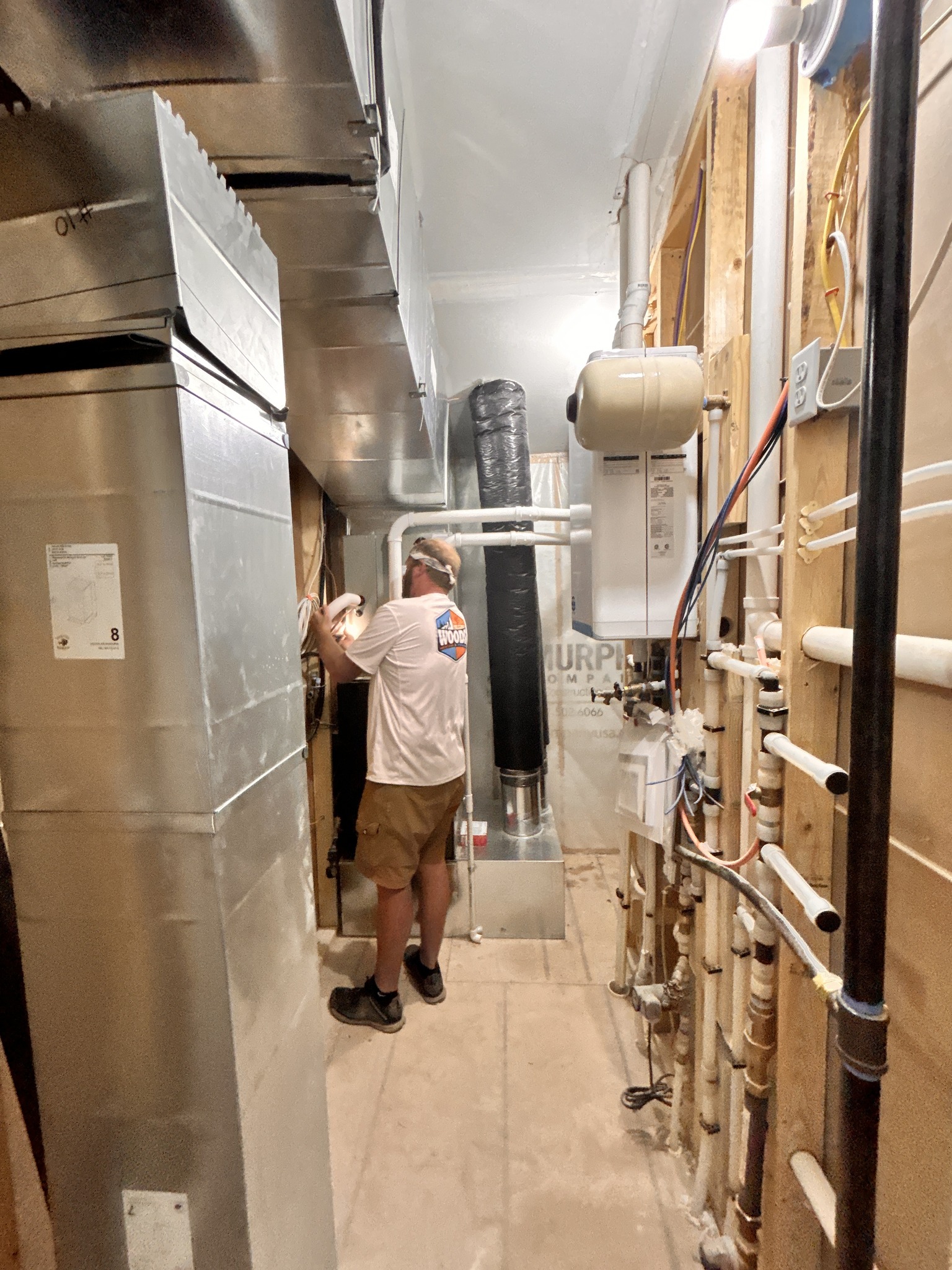
Why Furnace Maintenance Is Critical in South Dakota
South Dakota weather is unforgiving. Furnaces work harder and longer here than in many parts of the country. Even minor inefficiencies can escalate quickly under constant winter demand.
Routine furnace maintenance helps:
Prevent mid-winter breakdowns
Lower monthly heating costs
Improve system efficiency
Extend furnace lifespan
Catch worn parts early
Maintain safe operation
Improve airflow and indoor comfort
Reduce carbon monoxide risk
Protect manufacturer warranties
Neglecting maintenance often leads to emergency repairs at the worst possible time — when temperatures are already below zero.
What’s Included in Woods’ Furnace Maintenance Program
Our furnace tune-up process follows manufacturer standards and industry best practices. We perform a complete system evaluation — not just a surface check.
During a maintenance visit, we:
Inspect and clean burners
Test ignition system
Examine heat exchanger
Check carbon monoxide safety
Inspect gas pressure and fuel connections
Tighten electrical components
Lubricate moving parts
Replace or clean filters
Evaluate airflow performance
Test thermostat accuracy
Verify safe ventilation
Identify worn components before failure
Every inspection is explained clearly so you understand the condition of your system and any recommendations.
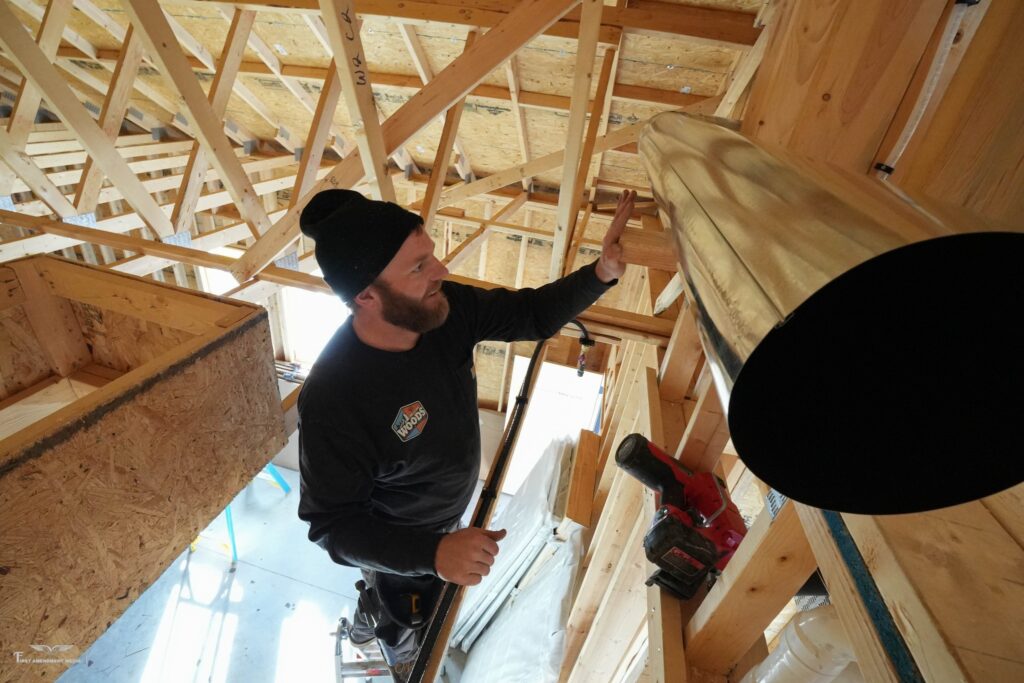
The Value of Preventative Furnace Care
A furnace that receives annual maintenance operates more reliably and costs less to run over its lifetime. Preventative care is one of the smartest investments a homeowner can make — especially in a climate like Spearfish.
Benefits include:
✔ Fewer surprise repairs
✔ Better heating performance
✔ Lower utility bills
✔ Increased safety
✔ Longer equipment life
✔ Consistent indoor comfort
✔ Reduced emergency service risk
When winter hits hard, a well-maintained furnace keeps your home stable and stress-free.
Ongoing Furnace Maintenance Plans
We offer maintenance programs for homeowners who want year-round peace of mind. Scheduled service, priority support, and consistent professional oversight help eliminate heating surprises and protect your furnace investment long-term.
Local Furnace Experts You Can Trust
Wood’s Heating & Cooling is a locally trusted HVAC company serving Spearfish and surrounding Black Hills communities. We understand the demands South Dakota winters place on heating systems and design our maintenance services around real-world conditions — not generic checklists.
Our focus is long-term reliability, honest communication, and dependable home comfort.
Join Our Furnace Maintenance Program Today!
Don’t wait for your furnace to fail during the coldest night of the year.
Schedule professional furnace maintenance with Wood’s Heating & Cooling today and keep your home protected all winter.
Furnace Preventative Maintenance Program FAQs
1. How often should a furnace be serviced?
A furnace should be professionally serviced at least once per year, ideally in early fall before the heating season begins. Annual maintenance ensures the system is operating safely, efficiently, and reliably before it runs continuously through winter.
Recommended service frequency:
Annual professional inspection: Once per year to evaluate burners, ignition system, heat exchanger, venting, and safety controls
Air filter replacement: Every 1–3 months depending on pets, allergies, and home air quality
Older furnaces (10–15+ years): Consider twice-yearly inspections
Cold climates: Additional check-ups may be beneficial due to heavy winter usage
Why annual servicing matters:
Prevents unexpected winter breakdowns
Maintains manufacturer warranties
Improves efficiency and lowers heating costs
Extends equipment lifespan
Identifies safety risks early
In colder regions where furnaces run for months at a time, skipping maintenance significantly increases wear and failure risk.
2. What happens during a furnace maintenance visit?
A furnace maintenance visit is a comprehensive safety and performance evaluation. A trained technician inspects, cleans, tests, and adjusts key components to ensure the system operates properly.
Typical maintenance steps include:
Cleaning burners and combustion components
Inspecting the heat exchanger for cracks or corrosion
Testing ignition and flame sensors
Checking gas pressure and airflow
Tightening electrical connections
Lubricating moving parts
Replacing or inspecting filters
Verifying thermostat accuracy
Testing safety shutoff systems
Measuring overall system efficiency
The purpose is to detect small problems before they become expensive failures and to restore the furnace to peak operating condition.
3. Is furnace maintenance really necessary every year?
Yes. Annual furnace maintenance is one of the most effective ways to prevent breakdowns and protect your heating investment. Furnaces accumulate dust, wear, and mechanical stress each season. Without maintenance, efficiency drops and safety risks increase.
Skipping maintenance can lead to:
Higher energy consumption
Shortened equipment lifespan
Expensive emergency repairs
Unsafe combustion issues
Reduced indoor comfort
Voided manufacturer warranties
Routine maintenance costs far less than major repairs and provides peace of mind during extreme winter weather.
4. How much does furnace maintenance usually cost?
Furnace maintenance is generally affordable compared to repair or replacement costs. Pricing varies by system type and region, but preventative service is designed to reduce long-term expenses.
Cost considerations:
Routine maintenance is cheaper than emergency service
Maintenance plans often provide discounted rates
Improved efficiency lowers monthly heating bills
Early problem detection prevents major repairs
Regular service extends furnace lifespan
Viewed as a long-term investment, maintenance typically pays for itself through energy savings and avoided breakdowns.
5. Can I do furnace maintenance myself?
Homeowners can perform basic upkeep, but full furnace maintenance should always be handled by a licensed professional. Furnaces involve gas lines, combustion systems, and electrical components that require specialized training.
Safe homeowner tasks:
Replace air filters regularly
Keep vents unobstructed
Clean dust around furnace area
Monitor unusual noises or smells
Professional-only tasks:
Combustion testing
Gas pressure adjustments
Heat exchanger inspection
Electrical diagnostics
Safety system verification
Professional service ensures the furnace operates safely and meets code standards.
6. What are signs my furnace needs maintenance?
Several warning signs indicate a furnace may need immediate attention. These issues often worsen quickly in cold weather.
Common warning signs:
Uneven heating throughout the home
Strange noises or vibrations
Rising energy bills
Short cycling (frequent on/off)
Weak airflow
Burning or gas odors
Furnace running constantly
Difficulty reaching thermostat settings
Any sudden change in performance should be evaluated to prevent system failure.
7. Does furnace maintenance lower energy bills?
Yes. A clean and properly tuned furnace uses less energy to produce the same level of heat. Dust buildup, worn components, and airflow restrictions force the system to work harder.
Maintenance improves efficiency by:
Restoring proper airflow
Cleaning burners for better combustion
Reducing mechanical strain
Optimizing fuel usage
Ensuring accurate thermostat readings
Even small efficiency gains can noticeably reduce winter heating costs.
8. How long should a well-maintained furnace last?
With consistent professional maintenance, most furnaces last 15–20 years. Neglected systems often fail much sooner.
Factors that extend furnace lifespan:
Annual professional inspections
Clean airflow and filtration
Prompt repair of minor issues
Proper installation
Balanced heating load
Maintenance slows wear and protects internal components that are expensive to replace.
9. Is furnace maintenance important for safety?
Yes. Furnace maintenance is critical for household safety. A neglected furnace can develop combustion problems, ventilation issues, or carbon monoxide risks.
Safety checks during maintenance:
Carbon monoxide testing
Heat exchanger inspection
Gas leak detection
Venting verification
Safety switch testing
Professional inspections ensure the system operates safely throughout the heating season.
10. When is the best time to schedule furnace maintenance?
The ideal time is early fall, before heavy winter use begins. Scheduling ahead of peak season ensures availability and prevents delays.
Benefits of early scheduling:
Avoids winter emergency rush
Allows time for repairs
Ensures readiness before cold weather
Protects system efficiency from day one
Reduces risk of mid-season breakdowns
Proactive maintenance is far easier and less stressful than emergency repair.